
Trevor Noah has an estimated net worth of $100 million in 2026, built through nearly a decade as host of The Daily Show, sold-out stand-up tours across four continents, a bestselling memoir, and a growing production and podcasting business. The comedian turned his early years in Soweto into one of the most diversified income streams in modern comedy.
Quick Facts
| Detail | Information |
| Full Name | Trevor Noah |
| Net Worth | $100 million (estimated) |
| Age | 42 |
| Date of Birth | February 20, 1984 |
| Profession | Comedian, Television Host, Author, Producer |
| Primary Income Source | Stand-up touring, hosting fees, book royalties |
| Nationality | South African |
Early Life in Soweto
Trevor Noah was born in Johannesburg on February 20, 1984, and grew up in Soweto during the final years of apartheid. His mother, Patricia Noah, is Xhosa, and his father, Robert, is Swiss German, a pairing that was illegal under apartheid law at the time. Noah has spoken openly about how that upbringing shaped both his sense of humor and his outsider perspective, themes that later carried directly into his stand-up material and his bestselling memoir.
Before ever stepping into an American studio, Noah had already built a following in South Africa through radio hosting and a local talk show, Tonight with Trevor Noah. By the time he tested the U.S. comedy circuit in the early 2010s, he had years of stage experience and financial footing most newcomers never start with.
Career and Income Breakdown
1. The Daily Show Years
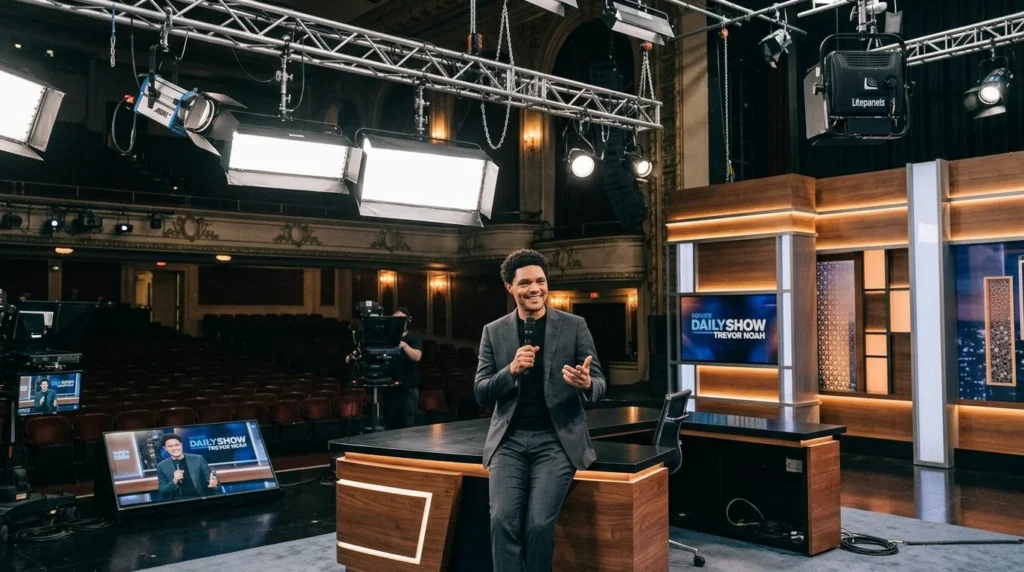
Noah took over The Daily Show from Jon Stewart in 2015. His early seasons paid between five and eight million dollars a season, well below Stewart’s reported twenty-five million. That changed in September 2017, when Noah signed a renewed deal with Viacom that reportedly pushed his salary to roughly sixteen million dollars per season, a figure he held through most of his seven-year run as host.
Noah announced his departure from The Daily Show in September 2022, closing out a tenure that earned him an Emmy and a spot on Time’s list of the 100 most influential people in the world. Even after leaving the anchor desk, residuals and production credits tied to the show continue to contribute to his income.
2. Stand-Up Comedy Tours
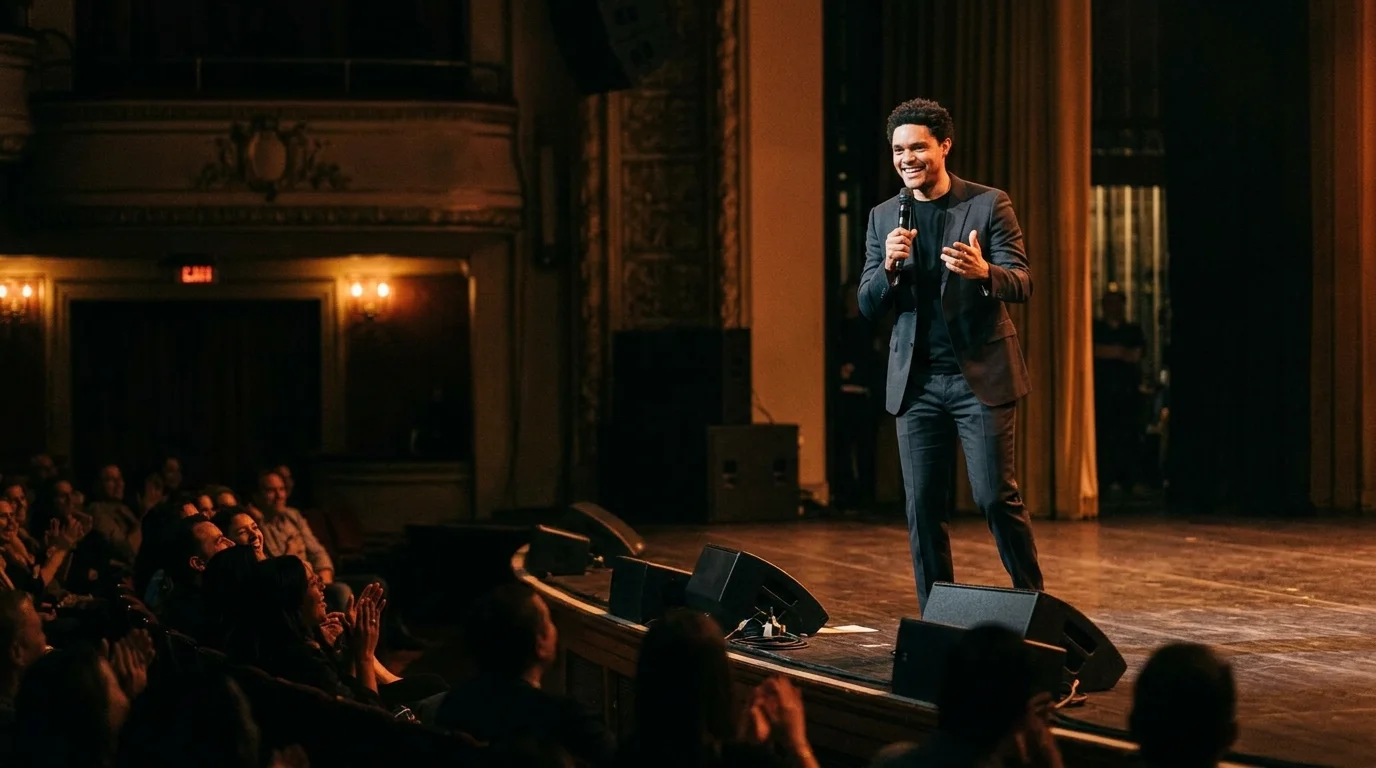
Touring has remained one of Noah’s most consistent revenue streams, and it never slowed down even while he was hosting five nights a week. Reports from The Hollywood Reporter put his tour earnings at roughly fourteen million dollars in recent years, with a single 2018 tour alone grossing around five million. His stand-up specials for Netflix, including multiple hour-long releases, add licensing income on top of live ticket sales.
Unlike comedians who rely almost entirely on the U.S. market, Noah tours internationally, with regular stops across Europe and return dates in South Africa. That geographic spread keeps demand for tickets high in more than one region at once, which insulates his touring income from a slowdown in any single market.
3. Grammys Hosting and Live Events
Noah has hosted the Grammy Awards on CBS every year from 2021 through 2026, marking six consecutive years in the role. Awards show hosting fees for a broadcast of that scale typically run into seven figures per telecast, and the recurring gig has become a steady, high-visibility addition to his annual earnings alongside touring and production work.
4. Books and Publishing
Noah’s 2016 memoir, Born a Crime, became a global bestseller and is now taught in schools and used in book clubs well beyond its initial release window. Backlist memoirs of that scale continue generating royalty income for years, and Born a Crime has held up as a long-running asset in Noah’s portfolio rather than a one-time payday.
5. Podcasting and Production
Since stepping away from late night, Noah has leaned into podcasting and production work, including projects developed through his own production company. This shift mirrors a broader pattern among former late-night hosts who move into owned media, where they control the intellectual property and keep a larger share of the revenue instead of working purely for a network salary.
Real Estate and Investments
Noah has also built wealth outside entertainment through real estate. He has bought and sold properties in both South Africa and the United States over the years, and financial coverage of his career regularly cites property flips as a secondary contributor to his net worth alongside more disciplined market investments. Noah has said publicly that he arrived in the U.S. already financially secure, since his stand-up career and property holdings in South Africa were established before he ever signed a deal with Comedy Central.
How Trevor Noah’s Wealth Compares to His Peers
Among comedians who transitioned from stand-up into late-night hosting, Noah’s estimated hundred-million-dollar net worth places him in a similar bracket to peers who built multi-stream careers spanning television, touring, and publishing rather than relying on a single format. What sets his numbers apart is the international spread of his touring income, since most American late-night hosts draw the bulk of their live earnings from domestic markets alone.
What Comes Next for Trevor Noah
With touring dates continuing into 2026, ongoing Grammy hosting duties, and a growing production slate, Noah’s income streams show no sign of narrowing. His path from a Soweto household to one of the wealthiest working comedians rests less on any single job and more on the range of formats- television, stand-up, books, and now production- that he has moved between over the past decade.

Awards and Industry Recognition
Noah’s television work has earned him consistent industry recognition beyond just ratings. He won a Primetime Emmy for Outstanding Entertainment Talk Show during his Daily Show run, and the show itself picked up multiple Peabody and Emmy nominations across his tenure. Recognition like this matters financially too, since award wins and nominations tend to raise a host’s negotiating position for future hosting fees, endorsement deals, and speaking engagements.
Beyond television, Noah has been named to Time’s 100 Most Influential People list, a distinction that broadened his profile outside comedy circles and into business and cultural commentary. That crossover appeal has helped him land moderator and interview roles at events well outside the usual late-night circuit, adding another line to his income beyond touring and hosting.
Endorsements and Brand Partnerships
Like most performers with a large public platform, Noah has taken on select brand partnerships over the years rather than a high volume of them. He has been more selective than many of his late-night peers, favoring long-term association with a small number of brands over frequent one-off campaigns. This approach has kept his public image consistent, which in turn supports the value of his other income streams like touring, since audiences are not fatigued by constant advertising appearances.
Public speaking has also become a quiet but steady contributor. Noah appears at corporate events, universities, and industry conferences as a paid speaker, often commanding fees in the six-figure range per appearance given his combination of comedic name recognition and business press profile.
Trevor Noah’s Financial Philosophy
In interviews, Noah has repeatedly credited financial discipline established early in his South African career for his long-term stability in the United States. He has said he arrived in America with property, savings, and business experience already in place, which meant his American earnings could go toward growth rather than covering basic financial footing. That head start is a detail often left out of net worth coverage that focuses only on his U.S. salary figures.
Noah has also spoken about preferring ownership stakes over one-time paydays where possible, a pattern visible in his move from a salaried hosting role into production work he partly owns. Owning intellectual property rather than simply appearing in it tends to produce more durable, longer-running income, since royalties and licensing fees continue well after the original contract ends.