
Santiago Matías, known worldwide by his stage name Alofoke, has a net worth estimated at around 4 million dollars, according to Celebrity Net Worth, though other outlets place his fortune anywhere between 3 million and 15 million dollars depending on how much of his radio, YouTube, and record production income they factor in. The gap between those numbers says a lot about how hard it is to pin down the finances of a self-made Dominican media entrepreneur who built his empire almost entirely outside the traditional entertainment industry.
Born Esmelin Santiago Matías García on December 6, 1981, in the Ensanche Capotillo neighborhood of Santo Domingo, Alofoke went from a teenager rapping on street corners to one of the most recognized voices in Latin urban music media. His journey from a homemade rap blog to a full radio and streaming empire is a case study in how a single creator can outgrow the platforms he started on.
Quick Facts About Alofoke
| Detail | Information |
| Real Name | Esmelin Santiago Matías García |
| Known As | Alofoke, Santiago Matías |
| Date of Birth | December 6, 1981 |
| Birthplace | Santo Domingo, Dominican Republic |
| Profession | Radio host, producer, media entrepreneur |
| Primary Income Source | Alofoke Radio Show, Alofoke Music Group, Alofoke FM |
| Estimated Net Worth | 4 million dollars (Celebrity Net Worth estimate; other sources cite higher figures) |
Early Life and Background
Alofoke was born to a fifteen-year-old mother and was largely raised by his grandmother and aunt in Capotillo, a working-class section of Santo Domingo known for its influence on Dominican street music. He briefly studied computer engineering in college but left during his junior year to chase a career in music, a decision that would eventually shape the entire trajectory of his career.

He began recording rap songs as a teenager and, in 2000, launched his professional career touring as a backing vocalist for the well-known Dominican rapper Vakero. That experience gave him an inside look at how the local music industry operated, and it also showed him a gap he would later spend two decades trying to fill.
From Rap Blog to Media Empire
Alofoke noticed that Latin urban music, particularly the underground Dominican rap and dembow scene, received almost no coverage from mainstream Dominican media. In 2006, he founded the Alofoke Music website as a way to document that scene himself, posting interviews, freestyles, and news that traditional outlets ignored. Within months, the site was drawing thousands of daily visitors, an early sign that his instinct for the audience was correct.
That website grew into Alofoke Music Group, and by 2013 Alofoke had expanded into radio with the launch of the Alofoke Radio Show, which first aired on Power 103.7 FM before later moving to KQ 94.5 FM. The show became known for a segment called Alofoke Sin Censura, where Matías asked artists and public figures blunt, unfiltered questions about their personal lives and opinions, a format that became his signature and set him apart from more scripted celebrity press.
His guest list over the years has included major Latin urban artists such as Bad Bunny and Anuel AA, along with Dominican political figures, giving the show a reach that stretched well beyond entertainment news into wider cultural and political conversation. [internal link opportunity: related article on rise of Latin urban music]
This is the section where Alofoke’s business model separates him from a typical influencer. Rather than relying on a single platform, he built parallel revenue streams across terrestrial radio, YouTube, and artist management, which is part of why estimates of his wealth vary so widely.
Building Alofoke FM and the Record Label Side of the Business
In addition to hosting, Alofoke co-owns Alofoke FM, a Santo Domingo radio station broadcasting on 99.3 MHz, alongside Puerto Rican superstar Ozuna. The station is operated through Alofoke Music Group and airs an urban contemporary format built around the same tropical and dembow sounds that made his early blog popular. Owning the station itself, rather than simply hosting a show on someone else’s frequency, gives Alofoke a level of control over advertising revenue that most radio personalities never reach — the same shift from creator income to owned-business equity that Ivana Alawi made with her skincare brand.
On the music production side, Alofoke also founded the record label Fuse Music, through which he signed Dominican American rapper Mark B, extending his business beyond media coverage and into artist development and royalties.
More recently, reporting describes a 24/7 streaming format called La Casa de Alofoke, launched in 2025, which expanded his content into a continuous, reality-style broadcast format aimed at growing his reach across Latin America.
Digital and Social Media Income
Alofoke’s YouTube channel, where full episodes of the Alofoke Radio Show and Alofoke Sin Censura are posted, has built a loyal following, though its subscriber count is more modest than the reach of his radio and social platforms might suggest, sitting in the low hundreds of thousands with tens of millions of cumulative views. That YouTube presence, combined with a large following across Instagram and TikTok, supports a steady stream of brand sponsorships and paid partnerships, which several digital analytics sites estimate contribute a meaningful chunk of his annual income, separate from radio ad sales.
Why Net Worth Estimates for Alofoke Vary So Much
The gap between the lower and higher estimates of Alofoke’s fortune, from around 3 million dollars up to figures as high as 15 million, largely comes down to how each source treats his business ownership stakes — a similar gap shows up in estimates for Jynxzi, another creator whose income sits across multiple undisclosed platform deals. Celebrity Net Worth and similar finance-focused outlets tend to base their figures on more conservative, verifiable radio and media income.
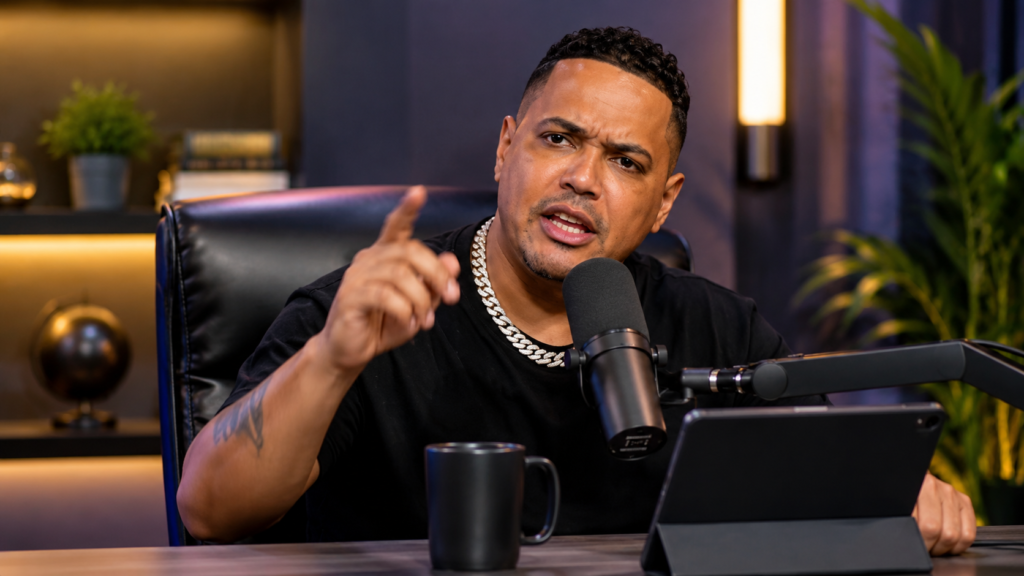
Matías himself has spoken about his finances publicly on a few occasions. In one widely cited interview, he described his personal patrimony as being between 8 million and 10 million dollars, attributing it to a mix of advertising, event production, and his media holdings. That figure has not been independently confirmed by outside financial reporting, so it should be read as a personal estimate rather than a verified fact.
What is consistent across nearly every source is that Alofoke’s wealth did not come from a single viral moment. It was built gradually over almost two decades, starting with a blog that cost little more than time and internet access and growing into a station, a label, and a streaming operation.
Lifestyle and Public Persona
Unlike many wealthy entertainers, Alofoke has kept a relatively low profile around his personal spending and asset ownership. He has occasionally shown off vehicles and travel on social media, but detailed, independently verified information about specific properties or luxury purchases is limited, which is part of why most credible outlets stick to a broad estimated range rather than a precise figure.
He has also kept his personal life, including his relationship status, largely private, focusing his public content on his career, his artists, and the guests who appear on his shows rather than his own lifestyle.
Career Timeline at a Glance
Alofoke’s financial growth tracks closely with a handful of key business decisions rather than a single lucky break. In 2000, he stepped into the industry as a touring backing vocalist, which gave him no ownership stake but plenty of firsthand exposure to how artists and labels operated. Six years later, in 2006, he made the shift from performer to publisher, launching the Alofoke Music website with almost no starting capital beyond his own time.
The jump from blog to broadcaster came in 2013, when the Alofoke Radio Show gave him a recurring, monetizable platform for the first time, rather than the ad hoc income of a website. Acquiring a stake in Alofoke FM years later marked another shift, from renting airtime on someone else’s station to owning the frequency and the advertising inventory that comes with it. Founding Fuse Music added a third revenue lane in artist development and royalties, and the 2025 launch of La Casa de Alofoke shows he is still adding new formats rather than resting on the radio show that made him famous.
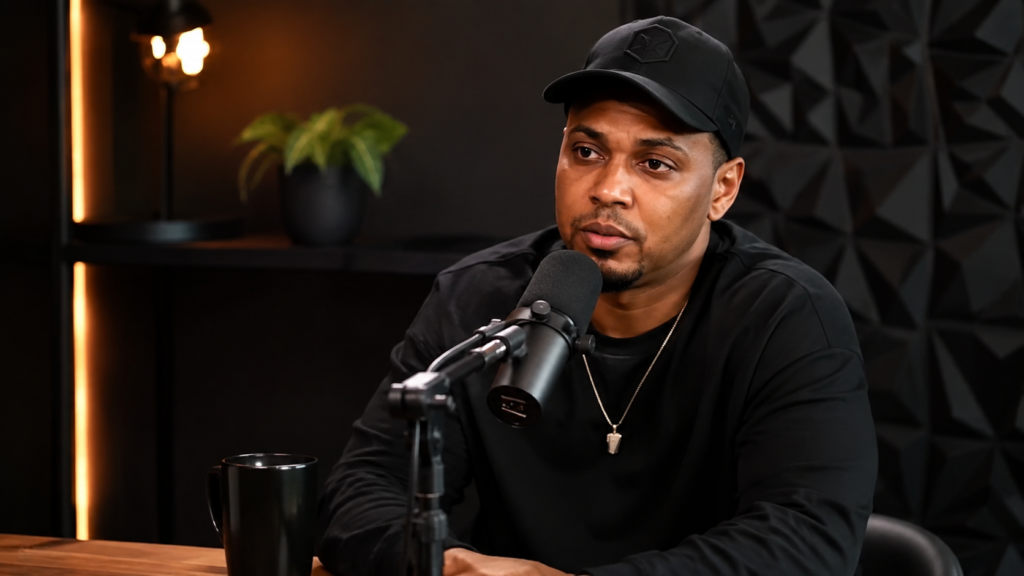
Each of these moves reduced his dependence on any single income source, which is likely why his net worth estimates, however wide-ranging, have trended upward rather than fluctuated sharply from year to year the way a single platform creator’s income often does.
The Bigger Picture
Alofoke’s story is often cited within Dominican media circles as an example of what independent digital production can build without major network backing. He started with a gap he personally felt as a listener: that Latin urban music was not being taken seriously by mainstream Dominican outlets, and turned that observation into an owned radio frequency, a record label, and a media group operating well beyond the Dominican Republic’s borders.
For readers outside the Dominican Republic, particularly US-based Latin music fans who have watched Alofoke’s interviews with artists like Bad Bunny circulate widely online, his net worth is really a proxy for a bigger trend: the growing financial power of Latin urban media figures who built direct relationships with their audiences instead of waiting for traditional gatekeepers.